Traders of Environmental Progress
STX Group is a global environmental commodities trader offering physical and financial solutions across compliance and voluntary systems for energy, fuels, gas and carbon markets.

Traders of Environmental Progress
STX Group is a global environmental commodities trader offering physical and financial solutions across compliance and voluntary systems for energy, fuels, gas and carbon markets.
Transforming Climate Challenges into Business Progress
STRIVE is the consulting division of the STX group, helping companies achieve their climate goals through high-impact strategies and optimized decarbonization pathways.
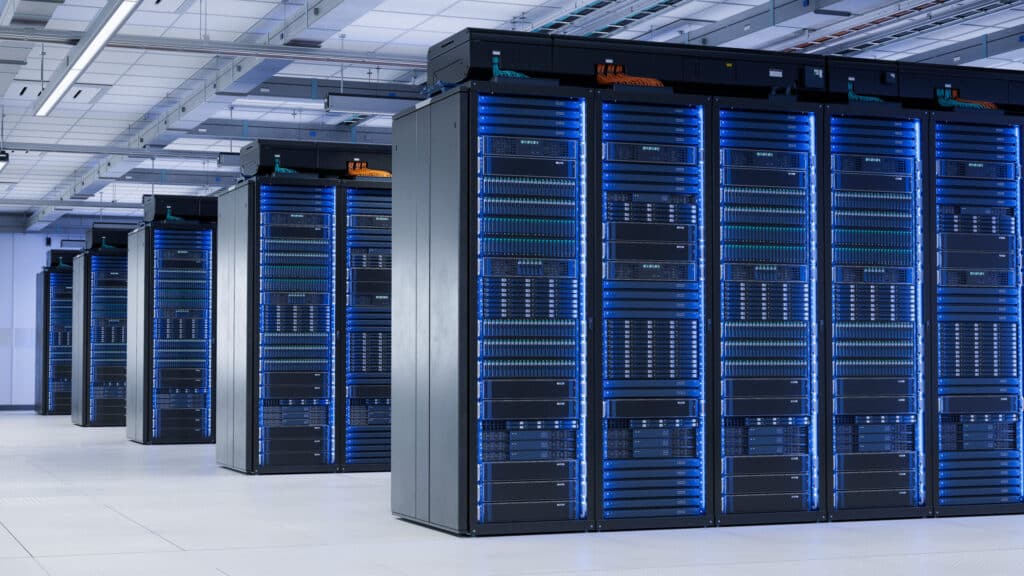
Data centers are the heart of the telecommunications value chain. They store, process, and manage the vast amounts of data needed for cloud computing, Internet of Things (IoT) applications, and artificial intelligence (AI). As the industry expands, so does the energy demand of data centers, driving a rise in emissions.
Cloud computing, big data and AI are major drivers of electricity use in the telco industry. As companies expand cloud services to meet demand, they must build and scale data center infrastructure, which requires significant power for computing and cooling.
IoT networks and AI workloads add to this demand. Machine learning, used to optimize performance and customer service, consumes large amounts of processing power. The energy impact of data centers supporting AI is expected to rise quickly.
Today, data centers account for about 1.5% of global energy use, a share that may double by 2026. By then, data centers could consume as much electricity as Japan does today. According to Scientific American, Energy usage from generative AI alone is projected to increase tenfold between 2023 and 2026.
Real estate choices also affect the carbon profile of data centers. Facilities consume high levels of electricity for equipment, cooling and uptime. If located in regions dependent on fossil fuels, emissions are even higher.
Choosing sites without access to renewable energy increases Scope 1 and Scope 2 emissions. Real estate decisions that do not prioritize energy efficiency or sustainable building materials also add to emissions.
Developers benefited for years from rising demand for co-location space but the market is tightening. Shortages and price pressures are becoming common. A JLL report highlights this growing global demand.
Data centers operators face increasing demands for regulatory compliance, sustainability, and investor and consumer confidence. As the industry faces increasing pressure to decarbonize, integrated strategies are critical to reducing a company’s carbon footprint. The right combination of solutions highlights opportunities for a multi-faceted approach to decarbonization, combining energy-efficient technologies, renewable energy procurement, and strategic partnerships to minimize the environmental impact of data center operations.
Balancing uptime and low-carbon goals is challenging but achievable. With targeted strategies, data centers can significantly reduce their footprint.
At STRIVE by STX, we help companies decarbonize with solutions tailored to their needs. Get in touch to explore how we can support your business.