Traders of Environmental Progress
STX Group is a global environmental commodities trader offering physical and financial solutions across compliance and voluntary systems for energy, fuels, gas and carbon markets.

Traders of Environmental Progress
STX Group is a global environmental commodities trader offering physical and financial solutions across compliance and voluntary systems for energy, fuels, gas and carbon markets.
Transforming Climate Challenges into Business Progress
STRIVE is the consulting division of the STX group, helping companies achieve their climate goals through high-impact strategies and optimized decarbonization pathways.
Methanol is one of the most important “primary” chemicals — a precursor to several chemicals, plastics and materials used in many applications. It is also a key fuel and input to fuel additives today and expected to be a critical marine fuel in the future. Given that the majority of methanol production is based on fossil fuels, decarbonizing methanol production is a key lever in the journey to decarbonize the chemical and transportation industries.
This article explores the defossilization of methanol production, examining key production routes and potential solutions for decarbonization.
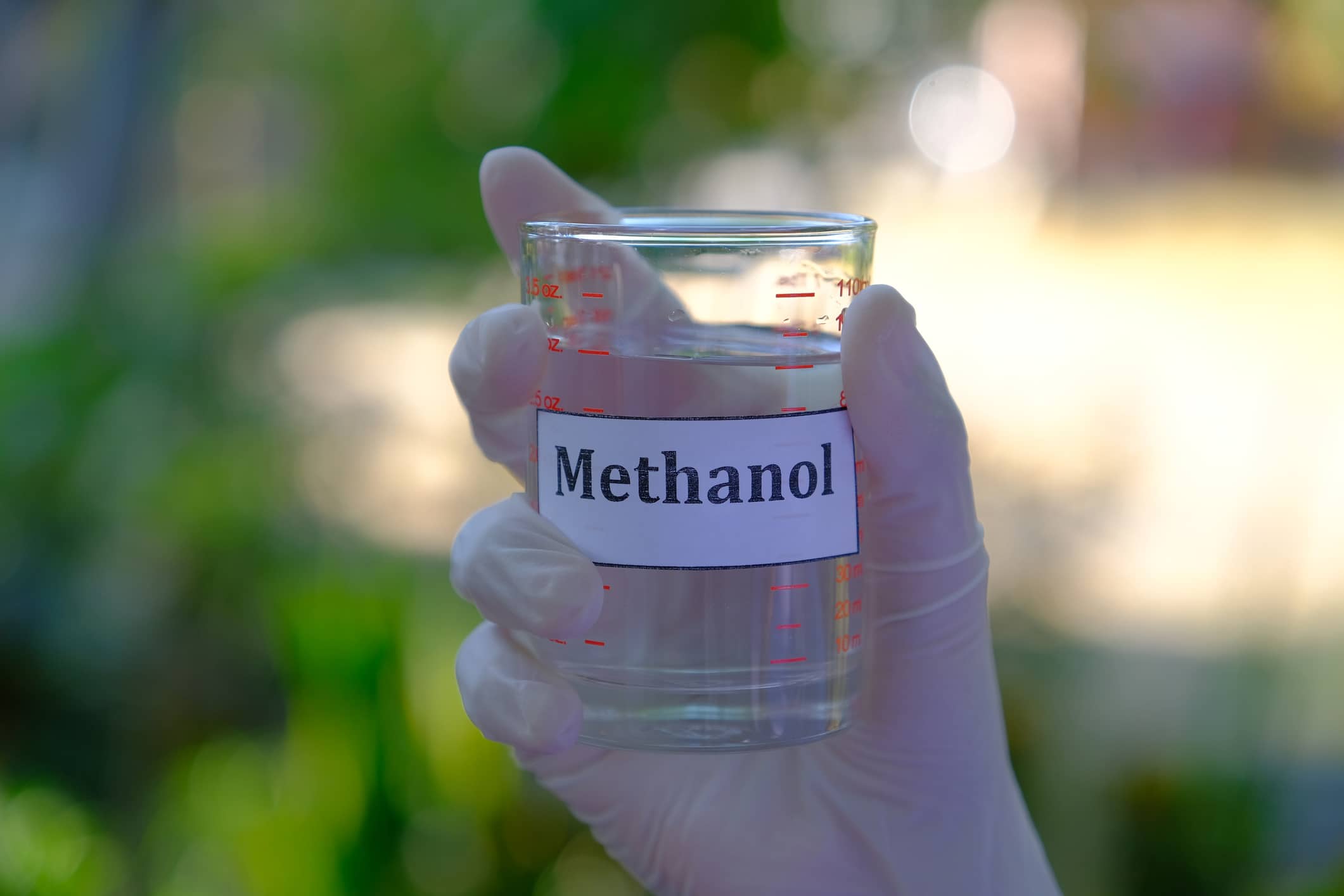
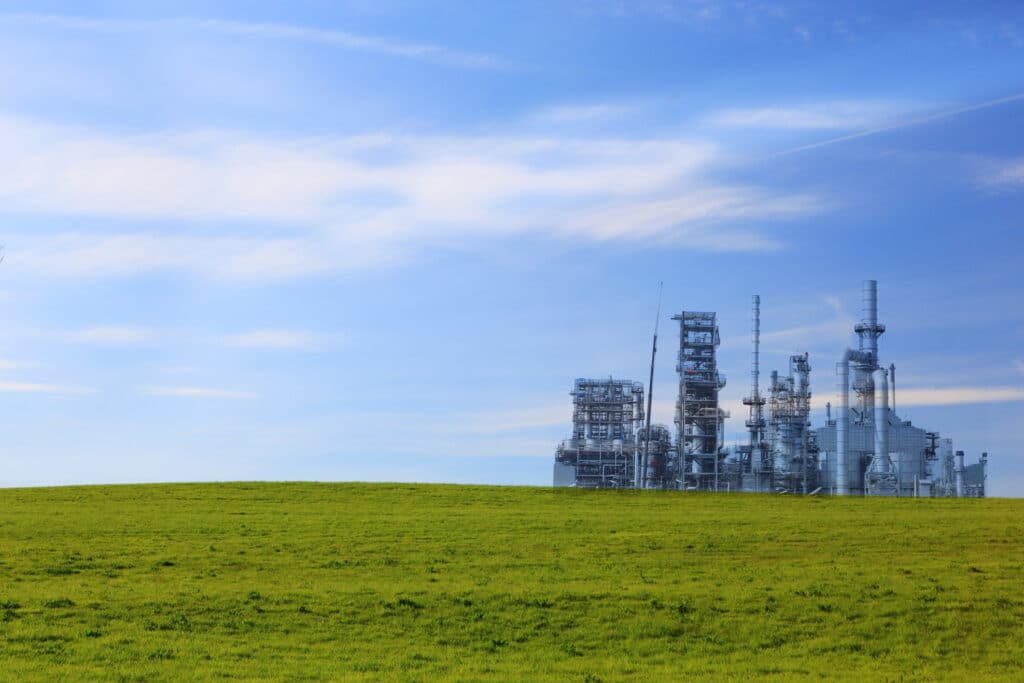
Methanol is a key product in the chemical industry, used in hundreds of everyday products, as it is used as feedstock to produce other chemicals and as a fuel. It can be produced in several ways, from steam reforming of methane, reaction of hydrogen and CO2 to gasification of biomass. Let’s see each of them:
Methanol serves as the cornerstone for the chemical industry, the energy sector and the maritime industry. Its role extends from chemical feedstock to marine fuel.
To decarbonize or “defossilize” methanol production, there are several possible solutions that tackle different the different scopes of emissions.
Starting in 2022, SKW Piesteritz, the largest producer of ammonia and urea in Germany, has partnered with STRIVE by STX to transition towards sustainable ammonia production. This shift reflects both environmental stewardship and a strategic business move, motivated by regulatory mandates and evolving market preferences.
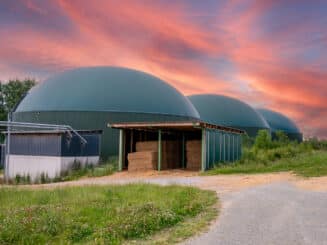
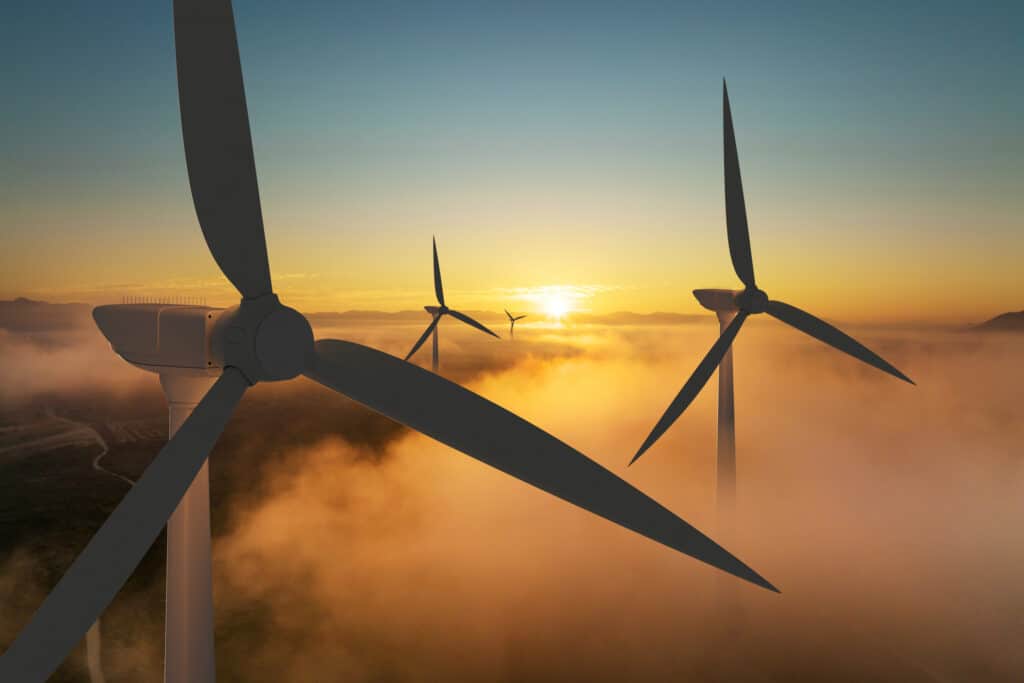
The current process for methanol production is dominated by natural gas and coal, but the shift towards renewable natural gas, carbon capture and storage and renewable electricity is gaining momentum. These sustainable options showcase the industry’s commitment and willingness to evolve into a more sustainable future. As we start to see the green transformation begin, it is crucial for stakeholders to collaborate and push the boundaries to ensure a sustainable and profitable future for methanol production.
STRIVE by STX is working with pioneering bio-methanol and green methanol producers. We help identify greener chemical feedstocks (e.g. bio-methane), renewable power solutions and tailor strategies to defossilize your operations.
Let STRIVE by STX be your partner in this transformation.